
Your cart is currently empty!
Shilajit: The Ancient Mineral for Vitality and Wellness
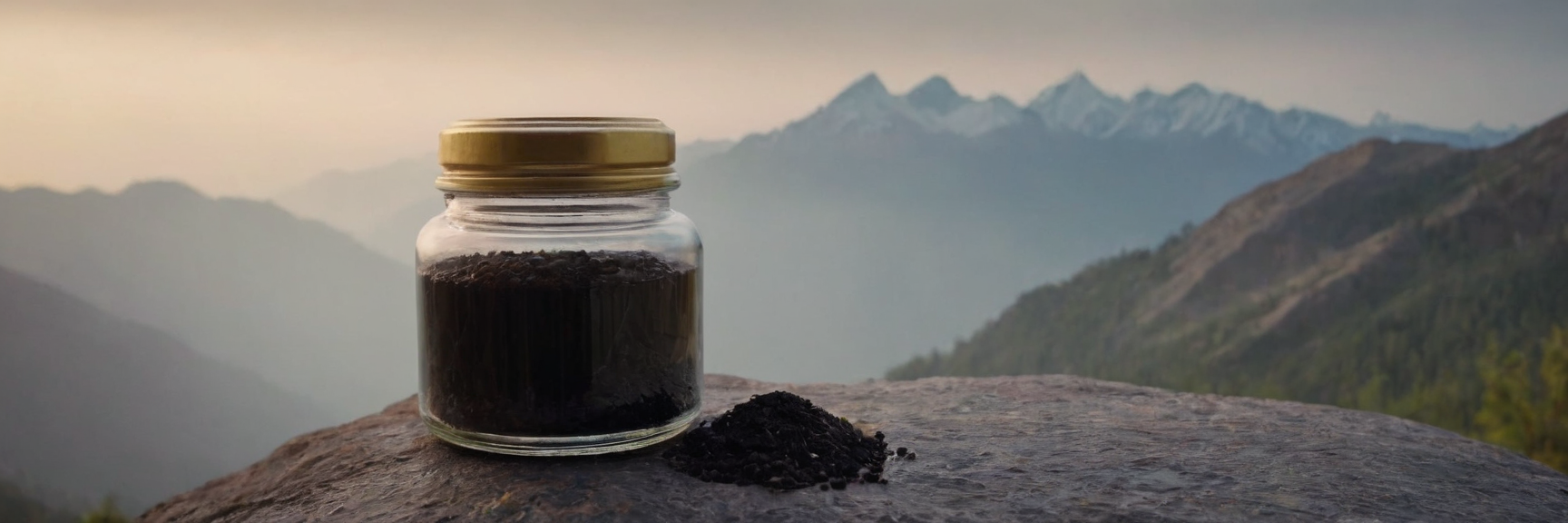
In the high-altitude regions of the Himalayas, there exists a substance so revered and mysterious that it has earned the nickname “the destroyer of weakness.” This ancient mineral, Shilajit, has been used for centuries as a natural health remedy. Today, it is making waves in modern wellness circles as a potent supplement for vitality and well-being. Let’s dive into the rich history, cultural significance, and scientific backing of Shilajit to uncover its full story.
Shilajit is a dark brown, sticky substance that is mainly found in the rocks of the Himalayas. Its color can be anything between white to dark brown (mostly dark brown). Shilajit is commonly used in Ayurvedic medicine. Ayurveda has praised Shilajit a lot where it is used in most of the prescriptions for strengthening strength, increasing energy, eliminating weakness and nourishing the body.
Shilajit is a sticky, tar-like substance that oozes from rocks in mountainous regions, particularly the Himalayas, Altai, and Caucasus ranges. It forms over centuries as plant material and minerals break down under the pressure of rocks. This natural process results in a compound rich in fulvic acid, humic acid, and over 80 minerals.
Its discovery is tied to the lives of Himalayan villagers and their livestock. Folklore suggests that locals noticed their animals thriving with boundless energy after grazing near rock exudates. Curious villagers then experimented with the substance, leading to its use as a traditional remedy. Ancient Ayurvedic texts such as the Charaka Samhita and Sushruta Samhita praised Shilajit for its rejuvenating properties.
Rigveda and Atharvaveda
The Rigveda and Atharvaveda mention mountain medicines, which were considered a boon for human health and longevity. Although the name of Shilajit is not mentioned directly, the reference to “nectar coming out of the mountain” points towards Shilajit. The Som Ras and Girija medicines mentioned in the Rigveda are associated with Shilajit, which symbolize the elements that provide strength and energy.
Charak Samhita
In the Charak Samhita, the original text of Ayurveda, Shilajit is described as a “rasayan” (ie a rejuvenating medicine). It was known as a medicine that removes every weakness of the body and provides longevity.
शिलाजतु सर्व रोगाणां, नाशनं च भवेद यदि युक्ति प्रयोग
i.e. there is no disease that cannot be cured by Shilajit when used correctly.
Sushruta Samhita
Sushruta Samhita, which is based on surgery, describes Shilajit as effective in strengthening the body, healing bones and healing wounds. It particularly mentions Shilajit’s contribution to maintaining reproductive health and mental peace.
Ayurveda, India’s 5,000-year-old holistic health system, regards Shilajit as a “rasayana,” or rejuvenator. It was believed to strengthen the body’s resistance to illness, improve energy levels, and enhance cognitive functions. Kings and warriors often consumed Shilajit to maintain strength and stamina. In traditional Tibetan medicine, it was used for treating bone and joint disorders.
A famous ancient quote from the Charaka Samhita reads, “There is no curable disease in the universe which cannot be cured by Shilajit when administered at the right time and in the right combination.” While this statement might sound ambitious, it reflects the high regard in which this substance was held.
In recent years, Shilajit has emerged as a star in the global wellness industry, captivating health enthusiasts, athletes, and researchers alike. Its ancient reputation as a “miracle mineral” has seamlessly blended with modern science, leading to its rediscovery as a potent natural supplement. Here’s how Shilajit has found its way from Himalayan rocks to today’s health cabinets.
Energy Booster: A study in the Journal of Ethnopharmacology showed that Shilajit improves mitochondrial function, enhancing energy production at the cellular level.
Anti-Aging: Shilajit’s fulvic acid is a powerful antioxidant, fighting free radicals and reducing inflammation, making it a key ingredient in anti-aging treatments.
Stress and Mood: Its adaptogenic properties help the body combat stress, balance hormones, and improve mental clarity.
Shilajit is no longer a sticky resin exclusively available in Ayurvedic clinics. It now comes in multiple forms to suit diverse preferences:
Pure Resin: The traditional form, often dissolved in warm water or milk.
Capsules and Tablets: Easy to use and travel-friendly.
Powder: A versatile form for smoothies and teas.
Shilajit is typically consumed as a resin, powder, or capsule. Experts recommend sourcing it from trusted suppliers to avoid adulterated products. The dosage depends on individual needs, and it’s best to consult a healthcare provider before starting.
An example of its use in modern diets is blending a small amount into warm milk or herbal tea. This method not only masks its earthy taste but also aids absorption. Regular use is said to yield noticeable improvements in energy and mood within weeks.
Despite its benefits, Shilajit is not without caveats. Overconsumption can lead to adverse effects such as nausea or dizziness. Ensure you’re buying authentic, purified Shilajit to avoid contamination with heavy metals.
Shilajit’s journey from ancient Ayurvedic remedies to modern health supplements is a testament to its enduring value. It’s a bridge between the wisdom of the past and the science of today. Whether you’re seeking a natural energy boost, cognitive support, or simply a connection to a storied tradition, Shilajit might just be the answer.
So, the next time you’re feeling drained, remember the humble “mountain sweat” — an ancient treasure powering modern vitality!
Benefits of Shilajeet| Dr Saleem Zaidi| by – Healthy Hamesha